Slip & Fall Accidents at Syracuse Hancock International Aiport
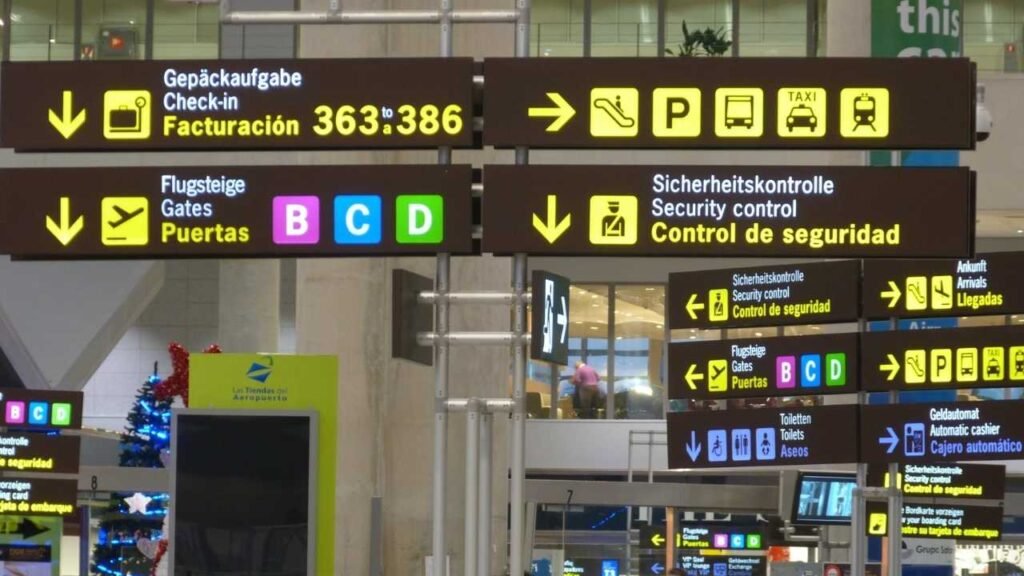
Slip and fall accidents are among the most common of airport injuries in busy terminals.
Hazards often include spilled drinks near gates, which catch travelers off guard.
High-risk spots tend to be curbside pickup zones, where rushes between flights make hazards harder to spot.
Many incidents trace back to missing or poorly placed warning signs.
Property operators are expected to inspect and correct hazards promptly under standard negligence law.
Negligence can be shown through failure to follow cleaning schedules.
Injuries often include concussions and other head trauma, sometimes leading to long recoveries.
Right after a fall, report the incident to staff and note names and times.
Useful evidence includes time-stamped receipts showing your path.
Surveillance footage is often overwritten quickly, so send a written preservation request as soon as possible.
Multiple parties may share responsibility, including an airline controlling the gate, depending on who controlled the area.
Comparative fault may reduce but not eliminate compensation, so let the facts speak.
Deadlines to file often range from one to three years, making it important to act promptly.
Compensation may cover lost income and travel costs, with expert opinions strengthening valuation.
When contacted by insurers, stick to basics until you’ve reviewed incident paperwork.
A focused legal review helps secure key video and sets strategy.
Vehicle Accidents at Syracuse Hancock International Airport
Airport vehicles such as service trucks at Syracuse Hancock International in Syracuse, Colorado often create dangerous situations.
These crashes frequently happen inside parking garages, where pedestrian safety is often overlooked.
Common causes include malfunctioning brakes or lights.
Risk spikes during construction detours, when lane markings are confusing.
Danger zones often involve crosswalks near baggage claim.
Responsibility can fall on an airline controlling the area for negligent operation.
Right after an impact, request an incident number and copy of the report and visit an urgent care the same day.
Helpful evidence includes close-ups of skid marks or debris.
Preservation requests should seek maintenance and inspection logs for the vehicle.
Typical injuries often involve knee, hip, or shoulder damage, so document symptoms.
Comparative fault may reduce but not eliminate recovery, even if you stepped outside a marked crosswalk.
Time limits may require a formal notice of claim, so track the deadline early.
Compensation may include lost income and travel costs, and clear documentation support negotiations.
If you’re exploring a claim, get a review focused on notice requirements and evidence.
Jet Bridge & Boarding Accidents at Syracuse Hancock International
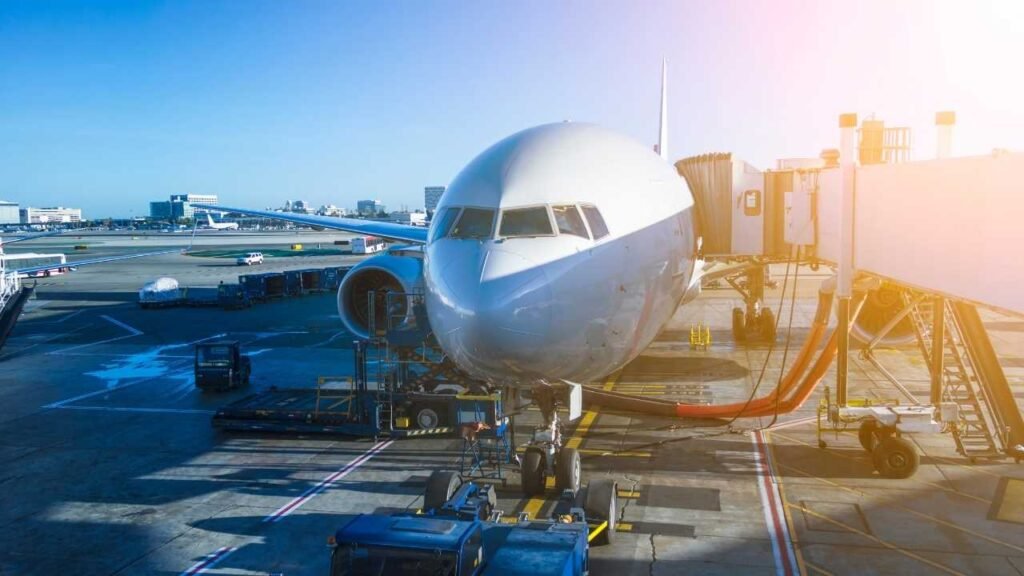
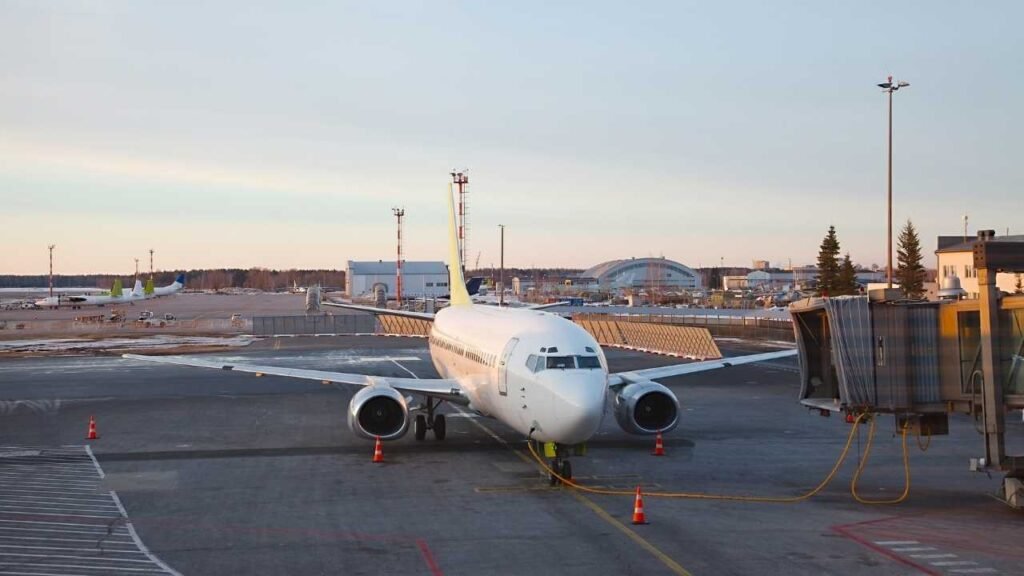
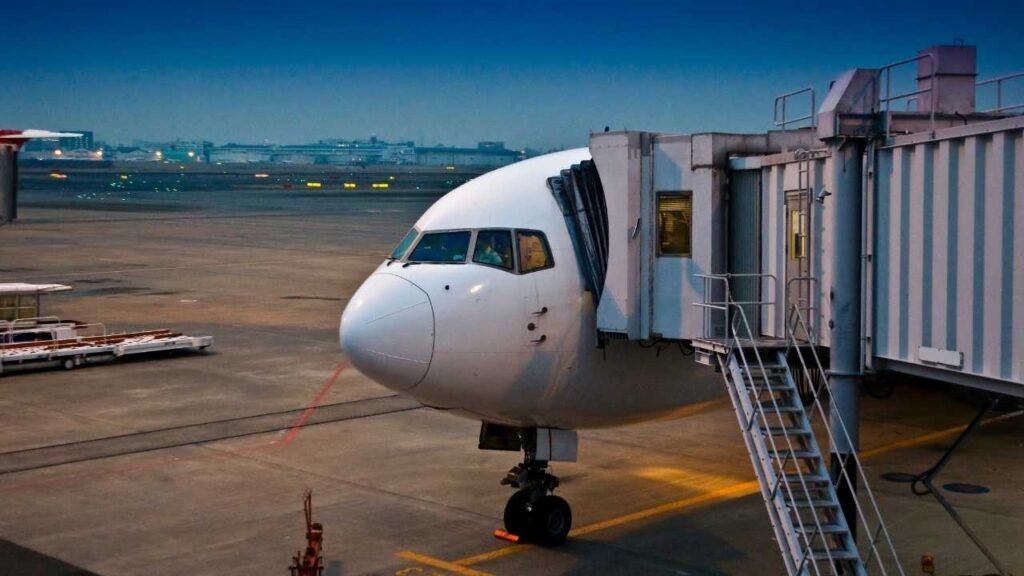
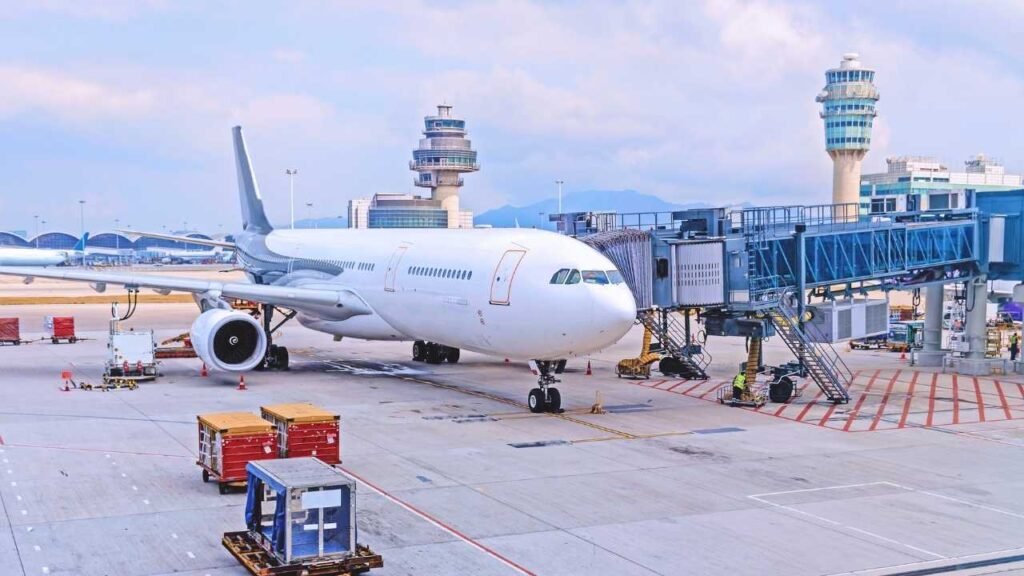
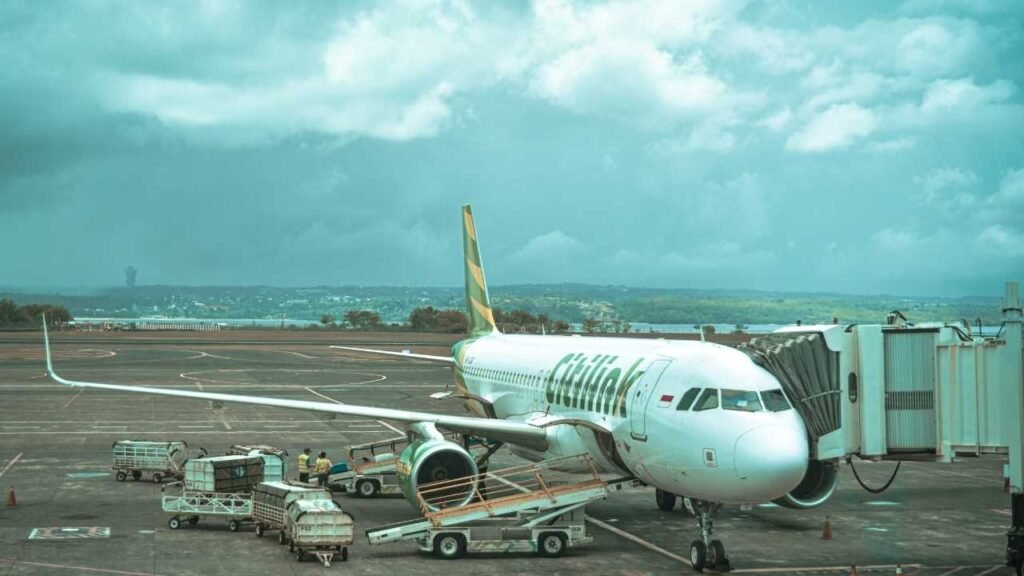
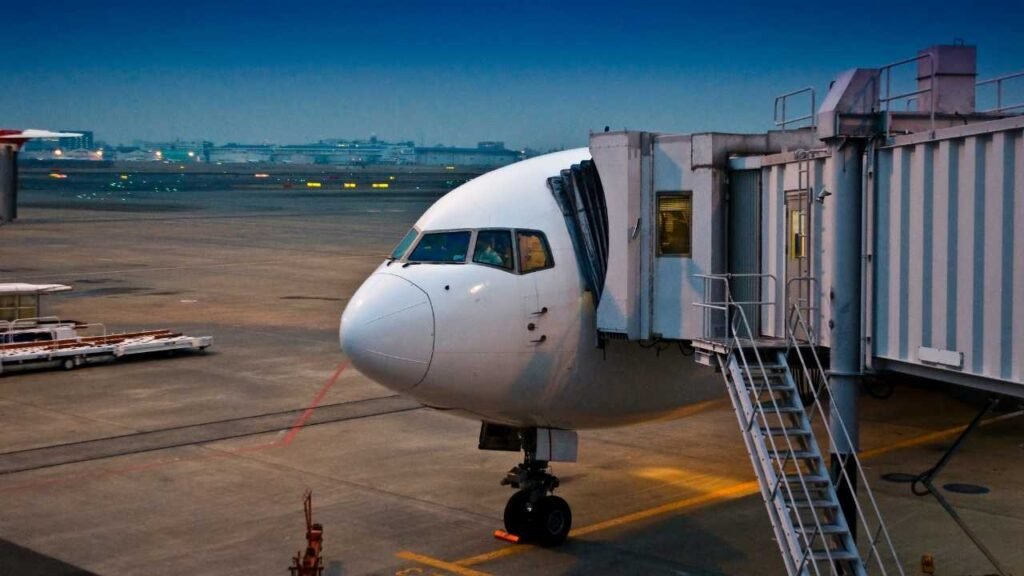
Boarding areas and jet bridges at Syracuse Hancock International in Syracuse, Colorado can malfunction, causing falls, sprains, and fractures.
Responsibility often falls on airport contractors, especially when they ignore safety warnings.
Baggage Claim Accidents at Syracuse Hancock International
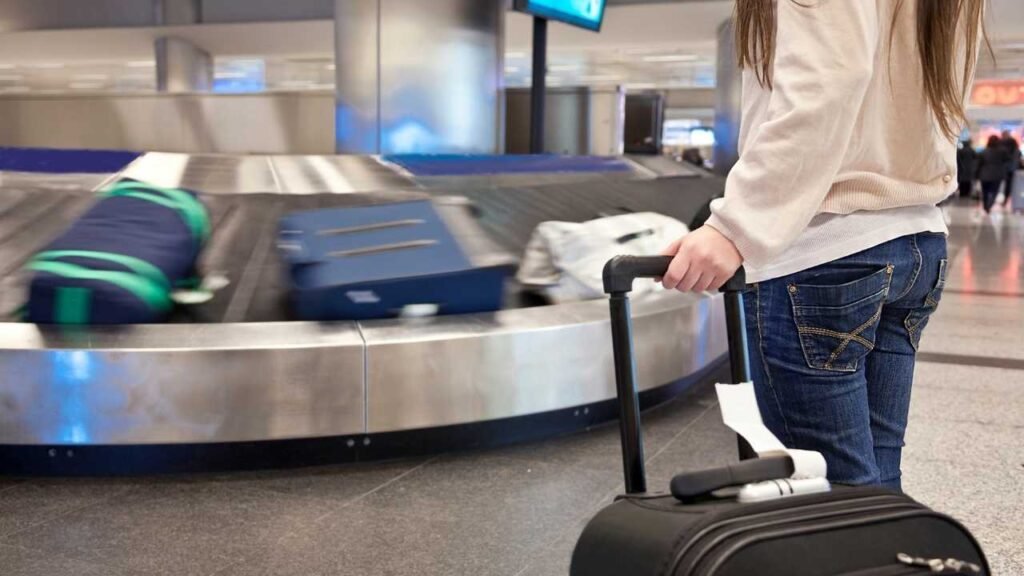
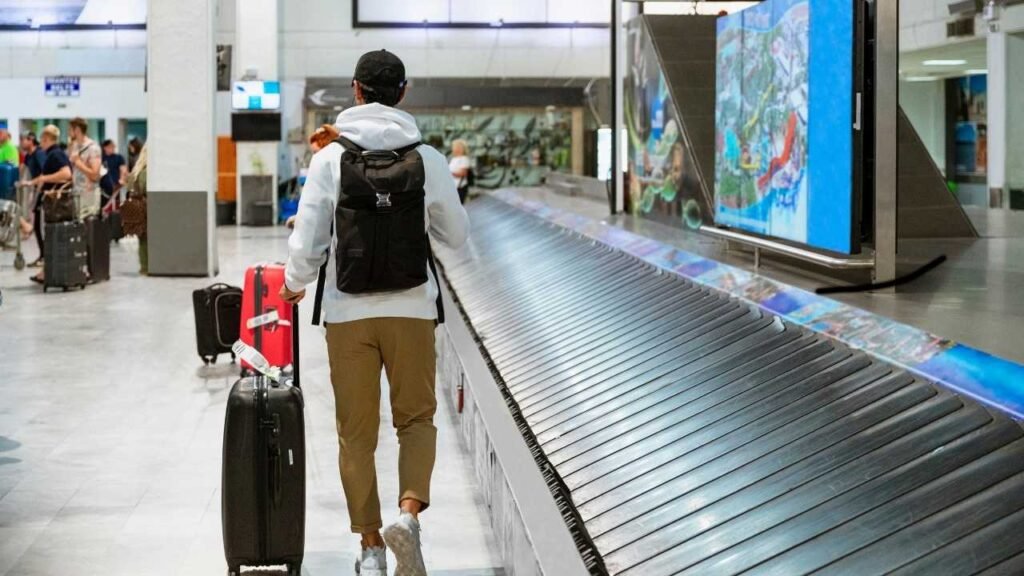
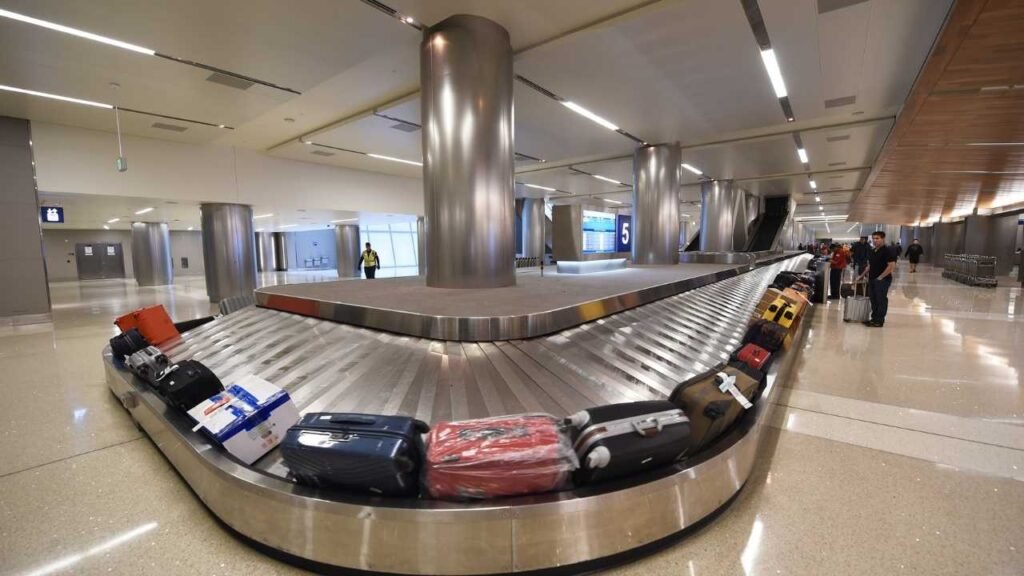
The baggage claim area of Syracuse Hancock International often feels chaotic, which creates risks.
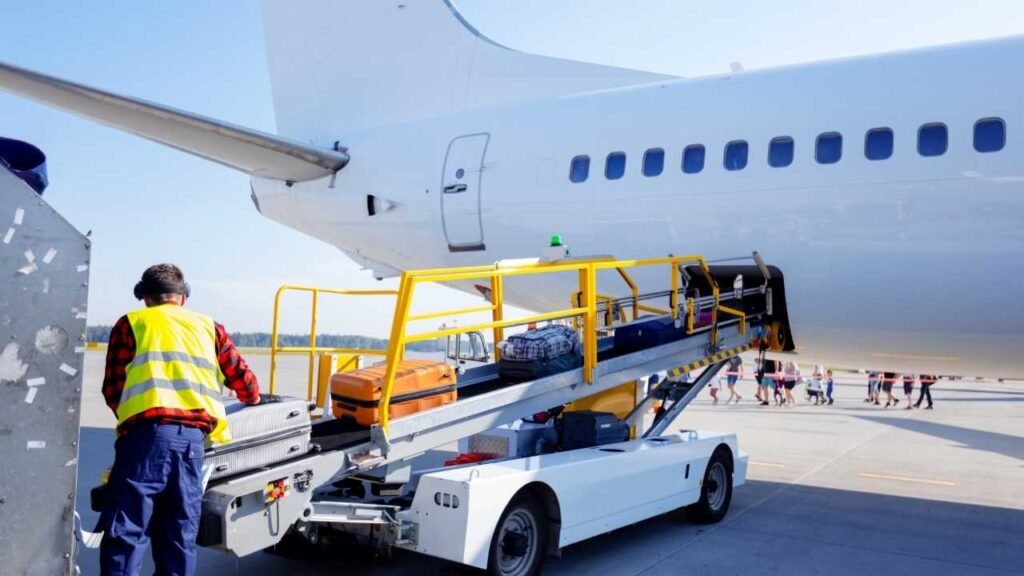
Falling luggage from carousels cause accidents while passengers retrieve their bags.
Risk factors include misaligned belt guards.
Crowding reduces visibility, especially when oversized items roll out.
High-risk zones include carousel edges.
Common injuries often involve back strains from sudden twisting.
Contributing errors include defective belt sensors.
If a mishap occurs, ask for a supervisor and request an incident number.
Capture evidence like the bag that fell and its tag.
Act quickly to get treated even if symptoms seem minor to create a clear record.
Potentially responsible parties may include an airline operating the carousel.
Liability often turns on inspection and maintenance logs.
Comparative fault does not automatically bar recovery.
Time limits to file often require early notice of claim, so track deadlines.
Recoverable damages may include lost income and travel disruptions, and expert opinions improve valuation
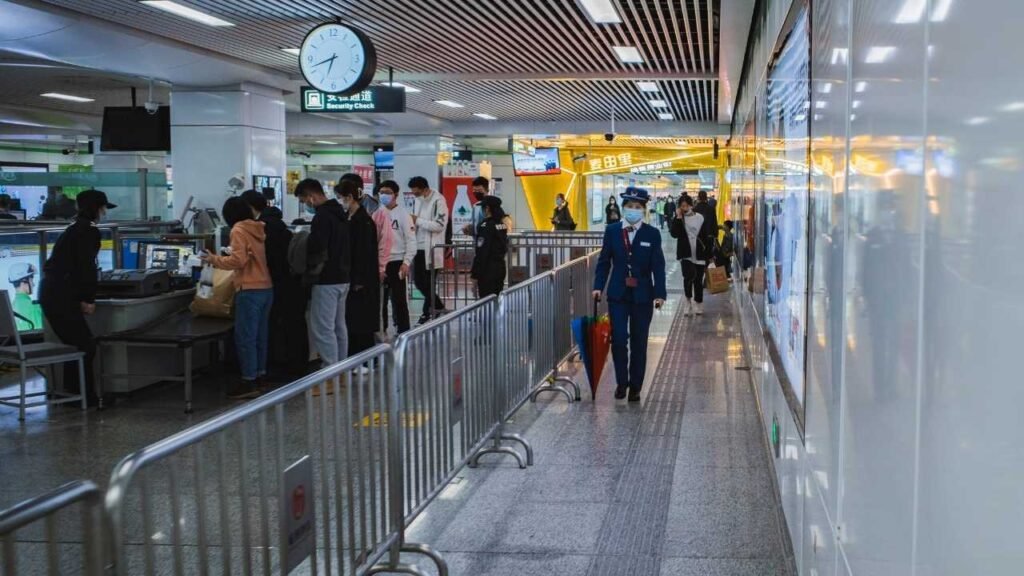
Security Checkpoint Injuries at Syracuse Hancock International Airport
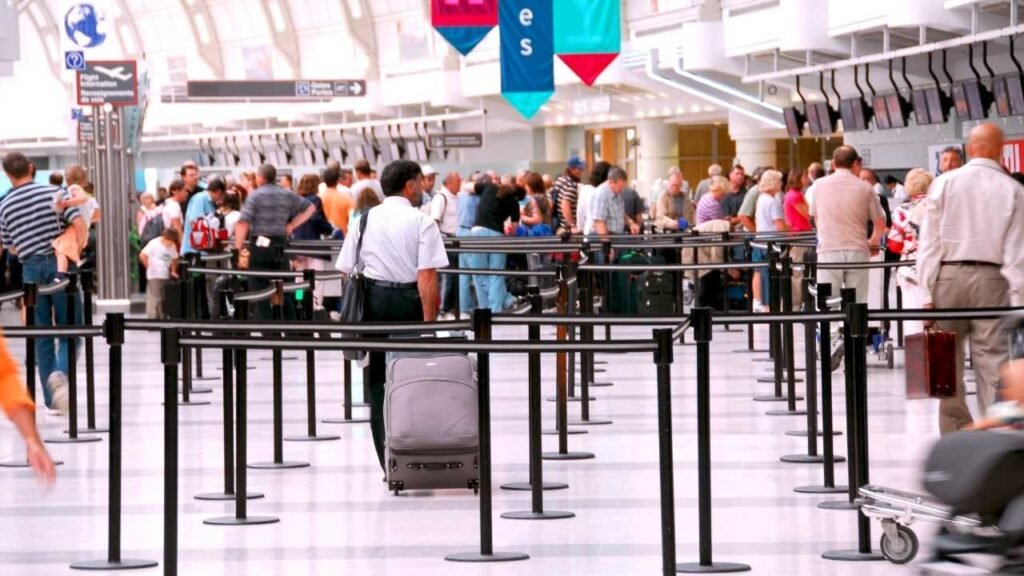
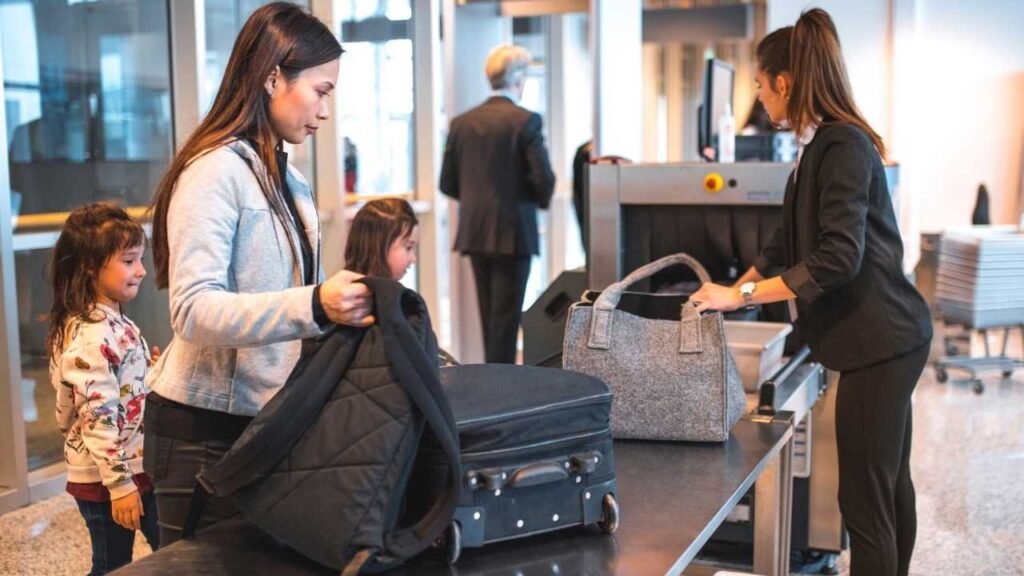
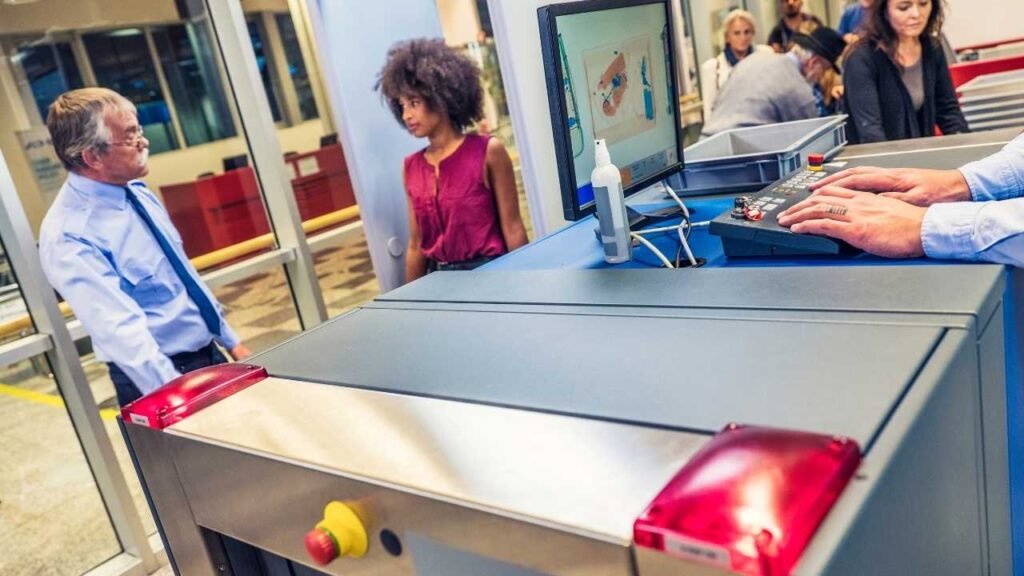
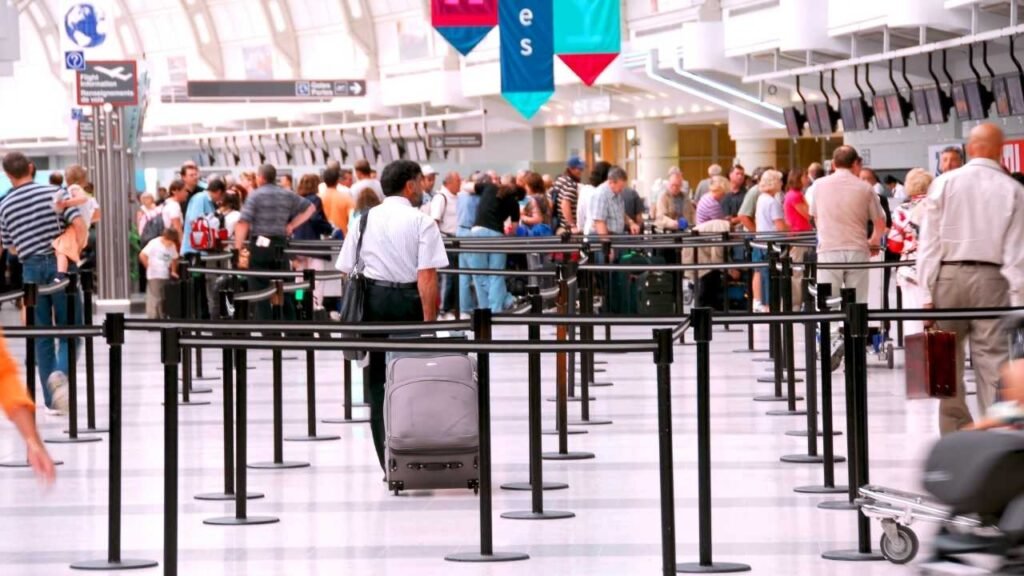
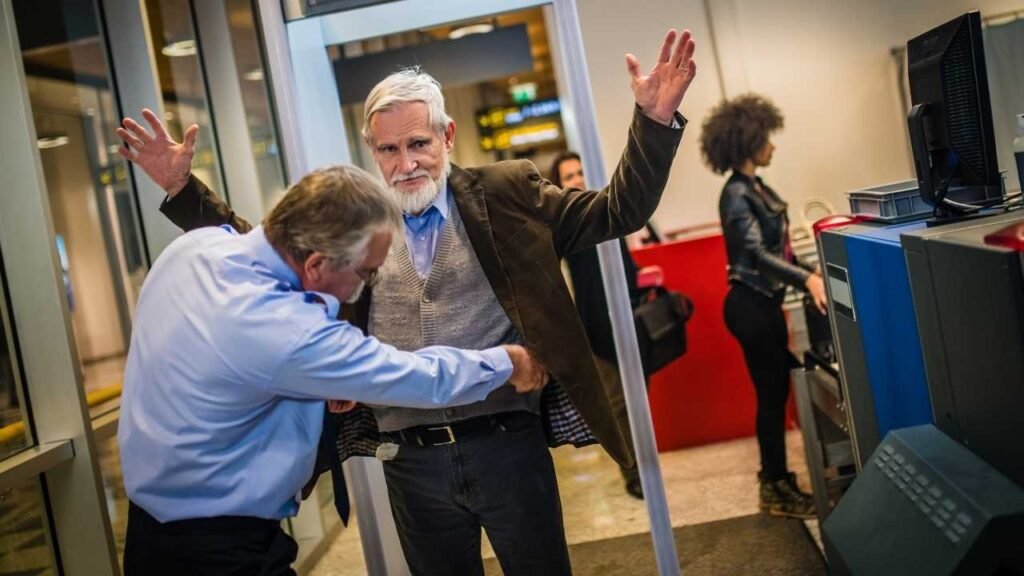
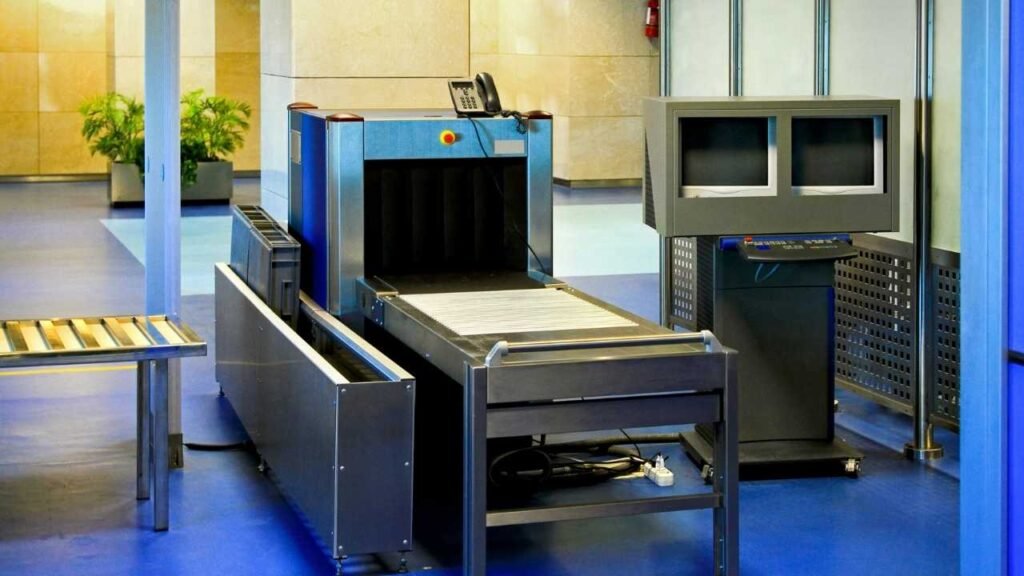
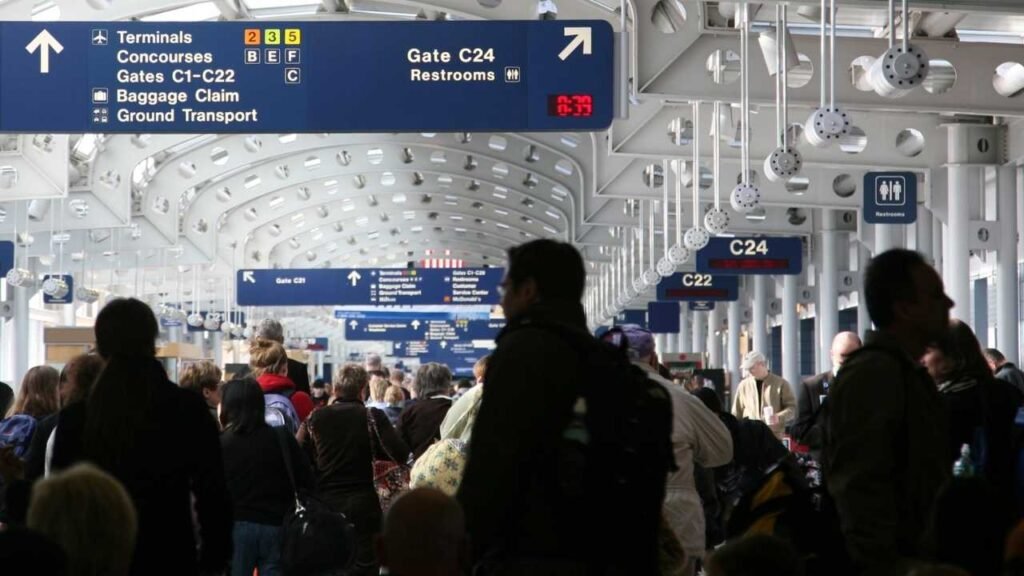
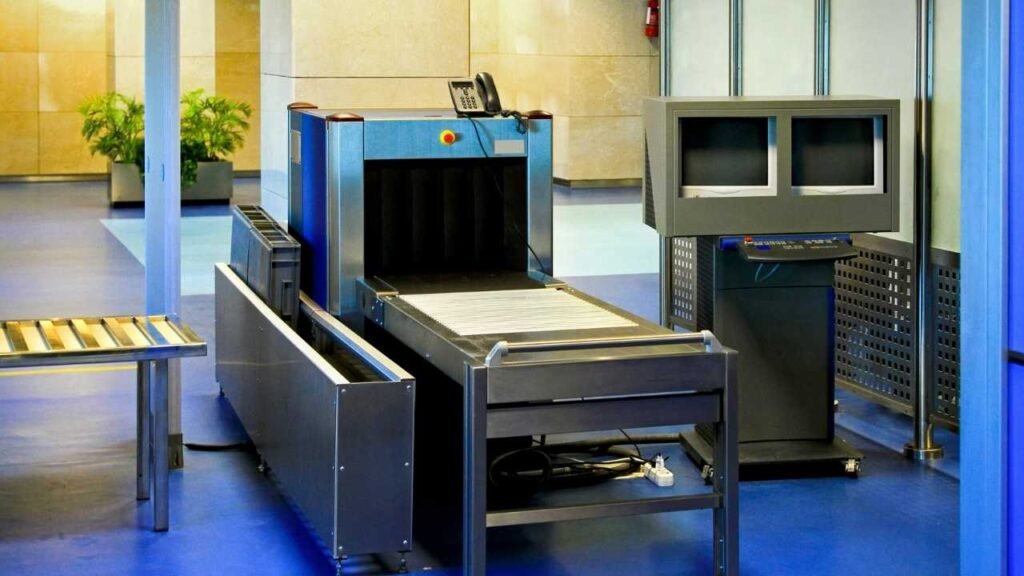
Security checkpoints at Syracuse Hancock International create risks for travelers, especially when lines are overcrowded.
Common hazards include falls from hurried belt unloading, which lead to falls.
Bottlenecks make hazards harder to spot, particularly after flight cancellations.
Contributing factors can involve lack of spill cleanup.
Injuries commonly include hip or shoulder fractures that disrupt travel plans.
After an incident, request an incident or occurrence number and seek medical evaluation the same day.
Useful evidence includes time stamps from your boarding pass or app.
Video and data sources scanner logs and lane closures, so send a prompt preservation request.
Responsibility can include the airport authority managing the area, depending on who controlled the checkpoint.
Comparative fault may reduce but not eliminate compensation, even if you were rushing.
Deadlines to file can be shorter when public entities are involved, so track the limitation period.
Compensation may include pain and suffering, and early evidence preservation improve outcomes.
Worker Accidents at Syracuse Hancock International
Employees at Syracuse Hancock International in Syracuse, Colorado face heavy lifting injuries.
Many of these incidents are preventable if management followed safety protocols.
International Airport Accidents Linked to Syracuse Hancock International Airport
International travelers injured at Syracuse Hancock International in Syracuse, Colorado may struggle to file claims.
Because Syracuse Hancock International connects Syracuse to foreign destinations, liability often becomes legally complex.
Escalator & Elevator Accidents at Syracuse Hancock International
Escalators and elevators inside Syracuse Hancock International in Syracuse, Colorado may fail due to poor upkeep, causing serious passenger injuries.
Responsibility may lie with equipment manufacturers when inspection is neglected.
Shuttle Bus & Ground Transportation Accidents at Syracuse Hancock International Airport
Shuttle buses, trams, and ground transportation vehicles at Syracuse Hancock International in Syracuse, Colorado sometimes collide, injuring passengers.
These accidents often occur on narrow service roads, creating serious dangers for tourists arriving in Syracuse.
Parking Lot & Curbside Accidents at Syracuse Hancock International Airport
Parking lots and curbside zones at Syracuse Hancock International in Syracuse, Colorado are high-risk areas.
Hazards include icy sidewalks, leading to vehicle collisions.
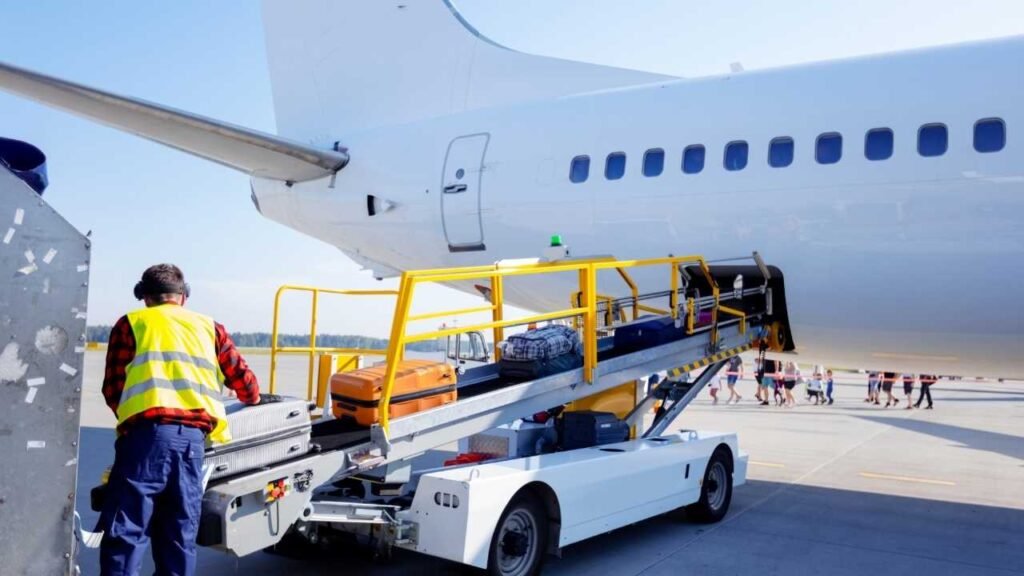
Luggage Cart & Conveyor Belt Accidents at Syracuse Hancock International Airport
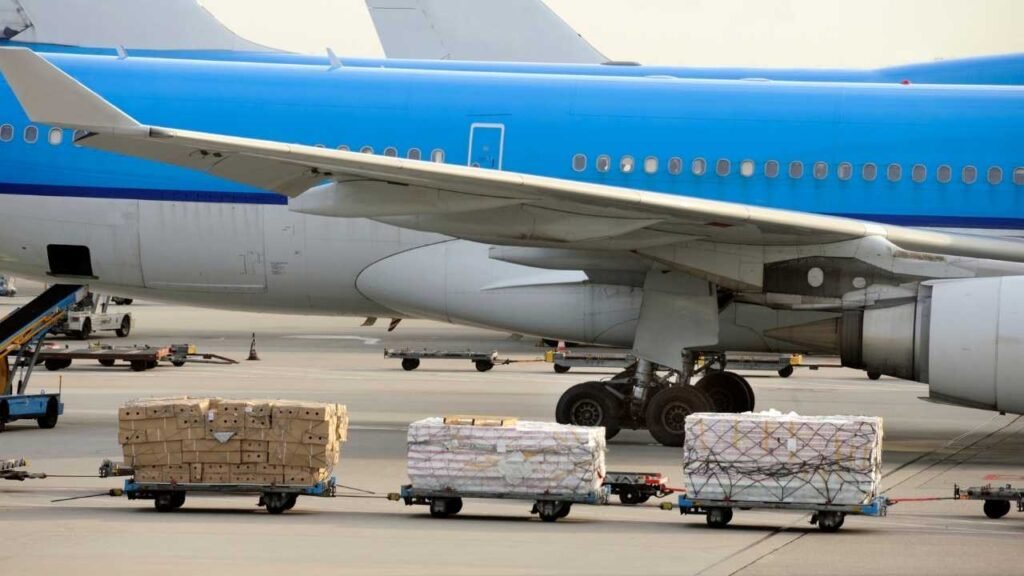
At Syracuse Hancock International in Syracuse, Colorado, runaway luggage carts or broken conveyor belts can trap hands.
These incidents may result from careless baggage staff.
Food Court & Restaurant Accidents at Syracuse Hancock International Airport
Restaurants and food vendors inside Syracuse Hancock International in Syracuse, Colorado can cause slip hazards.
Liability often rests with airport restaurant operators when they fail to handle food properly.
Airport Construction Zone Accidents at Syracuse Hancock International
Renovation or construction areas inside Syracuse Hancock International in Syracuse, Colorado expose travelers to blocked walkways.
Injuries here may involve lack of proper barriers.
Disabled Passenger Assistance Accidents at Syracuse Hancock International
Disabled passengers at Syracuse Hancock International in Syracuse, Colorado may be mishandled during wheelchair or electric cart assistance.
Failures to comply with ADA standards often lead to serious accidents.
Boarding Stair & Ramp Accidents at Syracuse Hancock International
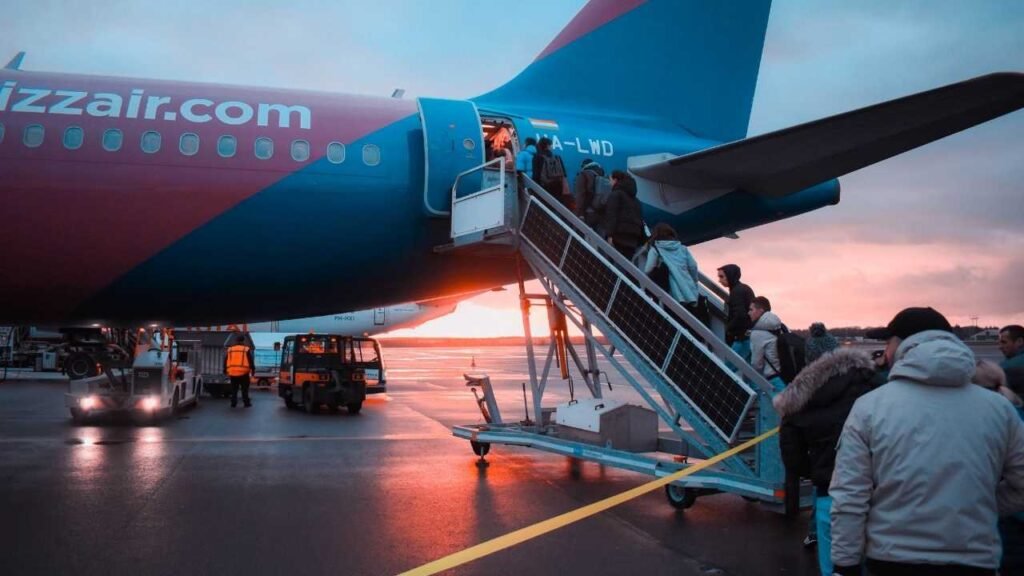
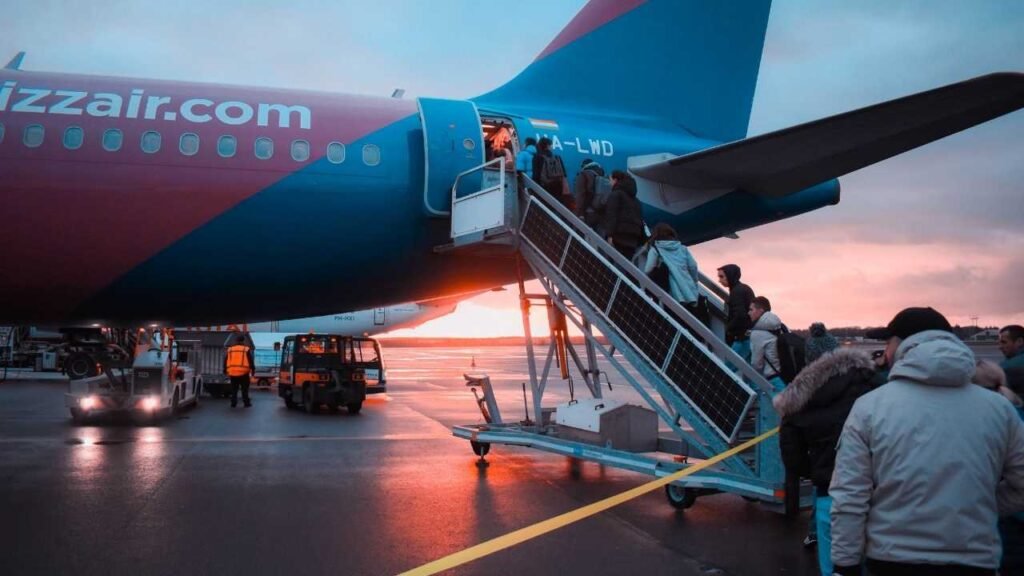
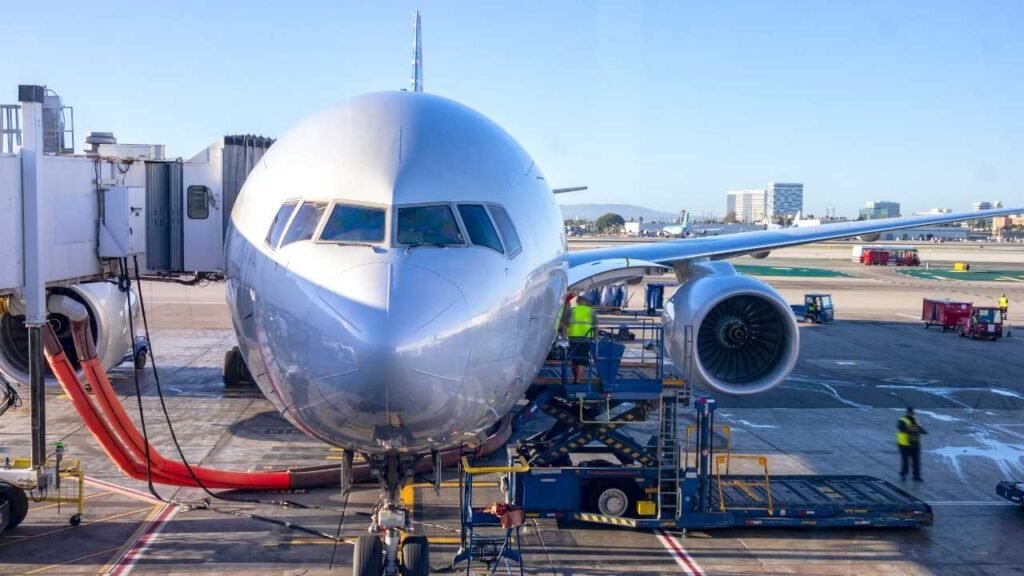
Portable boarding stairs and ramps at Syracuse Hancock International in Syracuse, Colorado may create slipping risks, causing falls.
These accidents are especially common at gates without jet bridges.
Lost Luggage & Property-Related Injuries at Syracuse Hancock International
Lost luggage at Syracuse Hancock International in Syracuse, Colorado is not just inconvenient — it can create safety problems, such as when safety gear is lost.
Travelers may seek compensation for damages linked to mishandling of personal property.
Airside & Tarmac Accidents at Syracuse Hancock International
Restricted airside areas at Syracuse Hancock International in Syracuse, Colorado expose workers and sometimes passengers to collisions.
These incidents are potentially fatal and often fall under worker’s compensation.