Slip & Fall Accidents at Allentown Lehigh Valley International Aiport
Slip and fall accidents are among the most common of traveler incidents in busy terminals.
Hazards often include wet floors from cleaning, which turn a routine step into a fall.
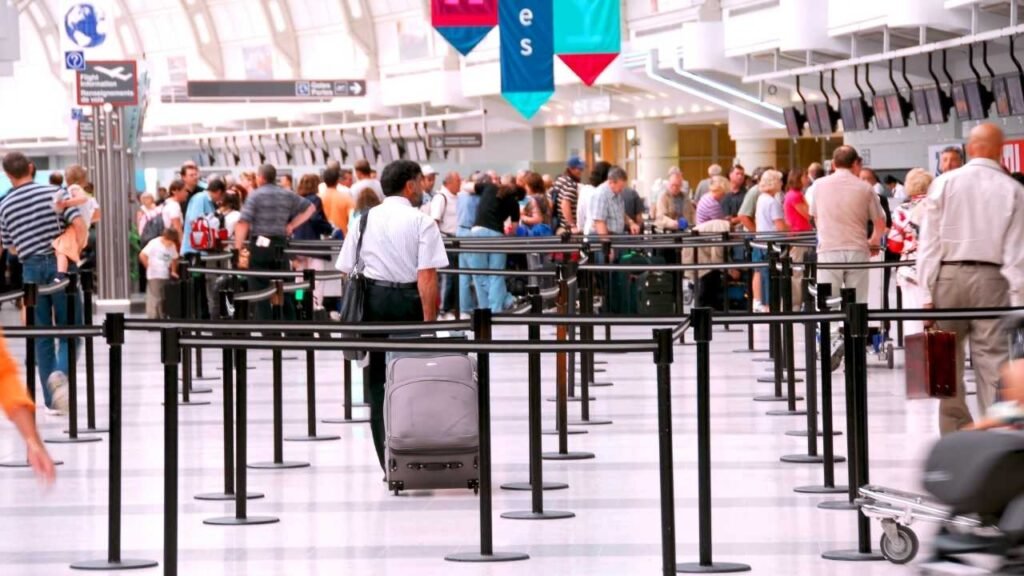
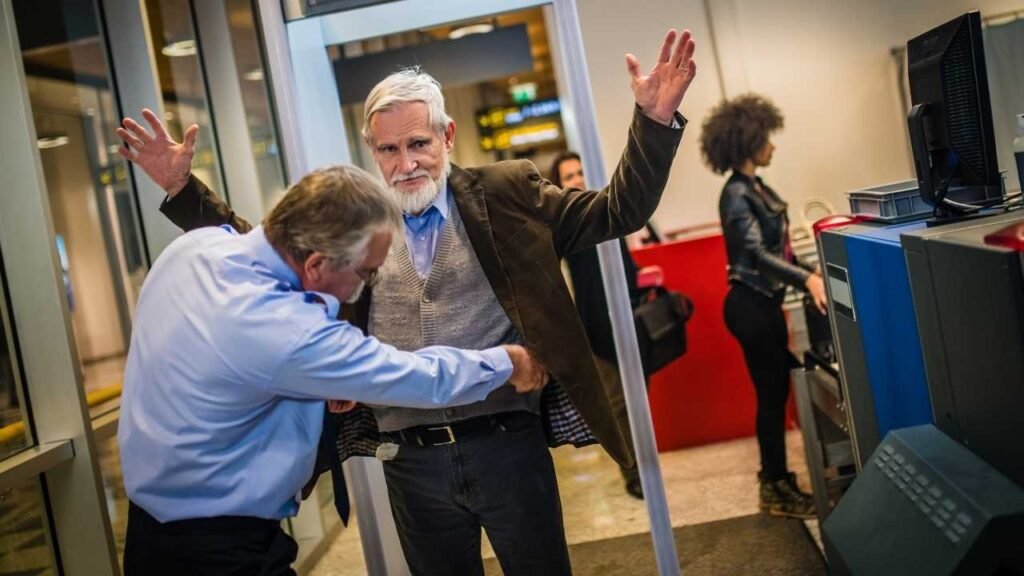
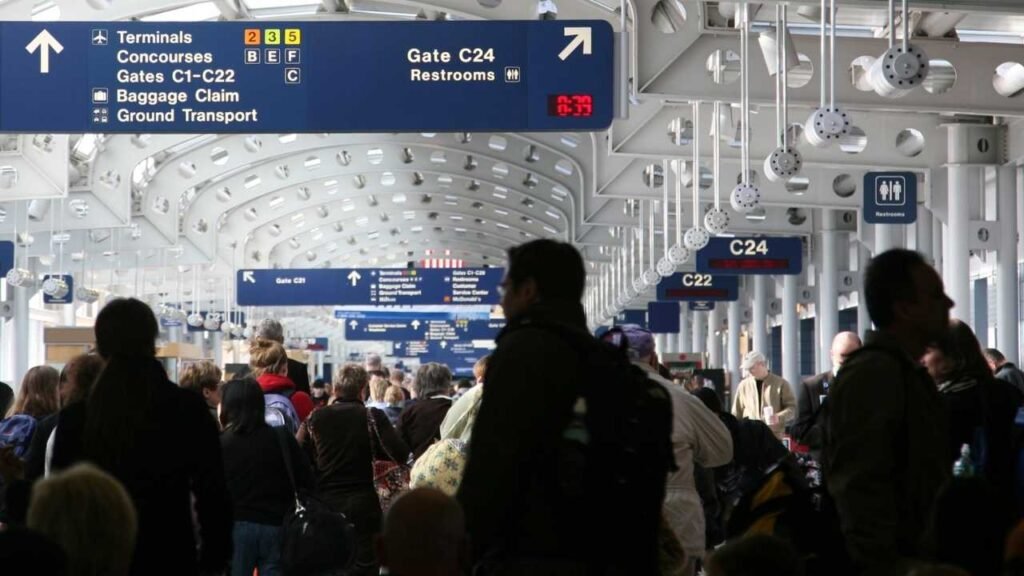
High-risk spots are often security checkpoints, where crowding amplify risks.
Many incidents are linked with leaks during storms.
Property operators are expected to inspect and correct hazards promptly under premises liability rules.
Negligence is established through actual knowledge of a spill.
Injuries commonly involve concussions and other head trauma, requiring urgent care.
Right after a fall, ask for a supervisor and save your boarding pass and receipts.
Useful evidence can include photos or video of the floor condition.
Surveillance footage may be retained briefly, so send a written preservation request as soon as possible.
Multiple parties may share responsibility, including an airline controlling the gate, depending on contract terms.
Comparative fault is weighed against the operator’s negligence, so let the facts speak.
Deadlines to file can be short when government entities are involved, making it important to confirm the exact timeline.
Compensation may cover medical bills and rehab, with clear causation documentation supporting negotiations.
When contacted by insurers, avoid broad statements until you’ve reviewed incident paperwork.
A focused legal review can pinpoint liable parties and frames settlement value.
Vehicle Accidents at Allentown Lehigh Valley International Airport
Airport vehicles such as service trucks at Allentown Lehigh Valley International in Allentown, California may cause severe accidents.
These crashes frequently happen near loading docks, where traffic is heavy.
Common causes include malfunctioning brakes or lights.
Risk spikes during construction detours, when vehicle traffic is rerouted.
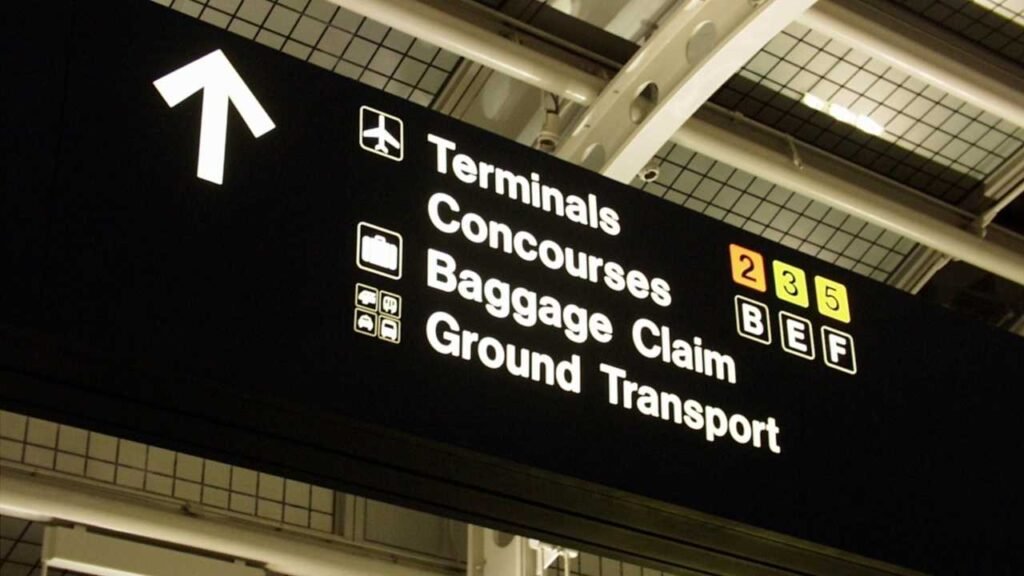
Danger zones often involve crosswalks near baggage claim.
Responsibility can fall on a ground-handling contractor for poor supervision.
Right after an impact, request an incident number and copy of the report and call paramedics if needed.
Helpful evidence includes contact info for witnesses.
Preservation requests should include vehicle GPS and telematics logs.
Typical injuries often involve knee, hip, or shoulder damage, so keep receipts and reports.
Comparative fault does not void a claim, even if you stepped outside a marked crosswalk.
Time limits vary by state, so track the deadline early.
Compensation often considers future care and pain and suffering, and expert opinions support negotiations.
If you’re exploring a claim, speak with counsel who understands multi-party liability on airport property.
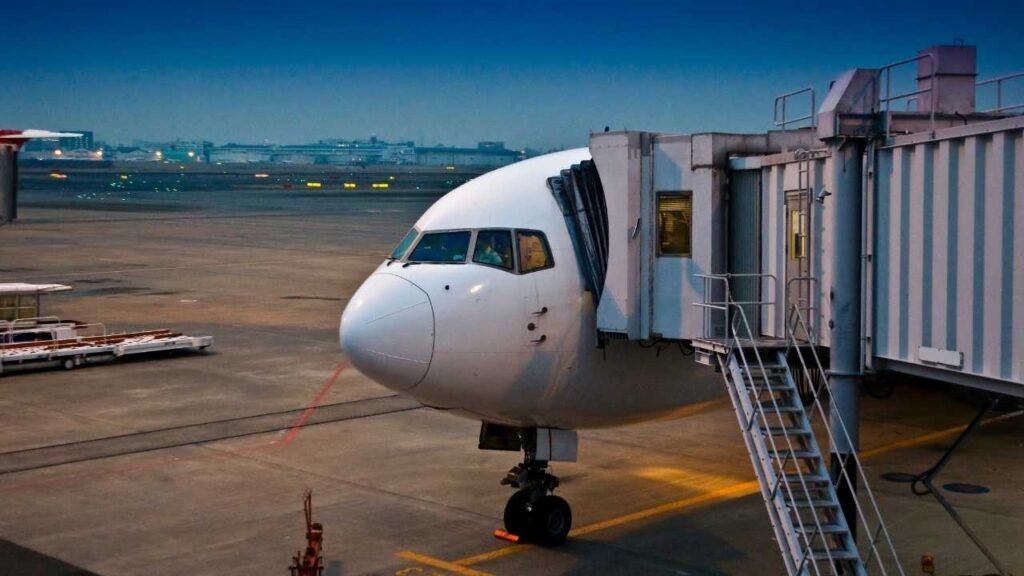
Jet Bridge & Boarding Accidents at Allentown Lehigh Valley International
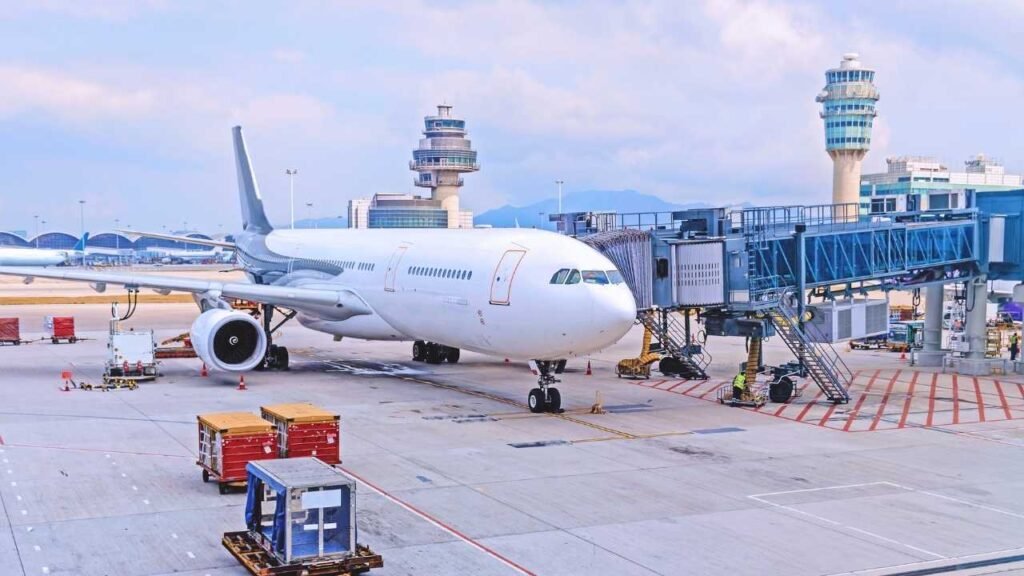
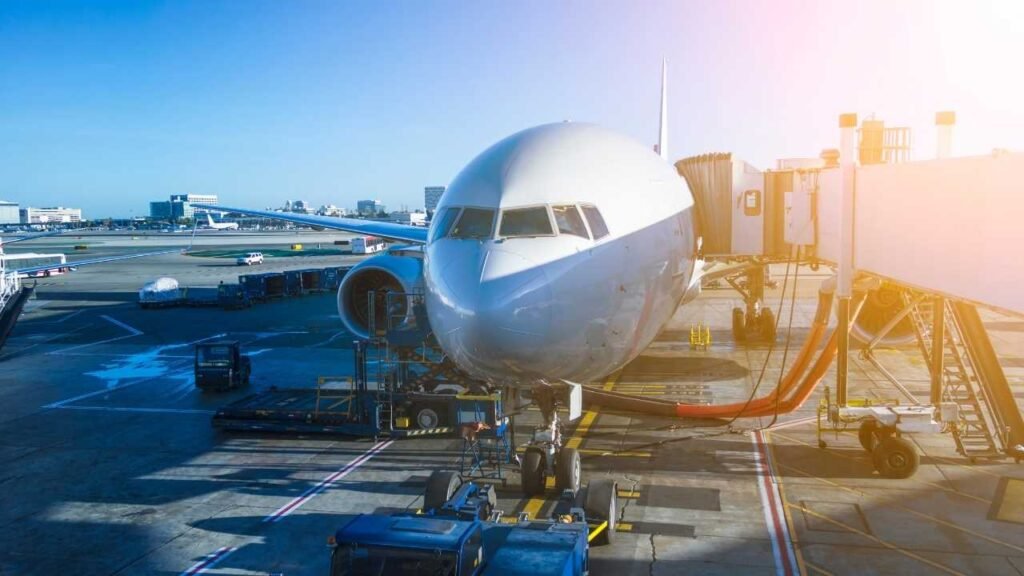
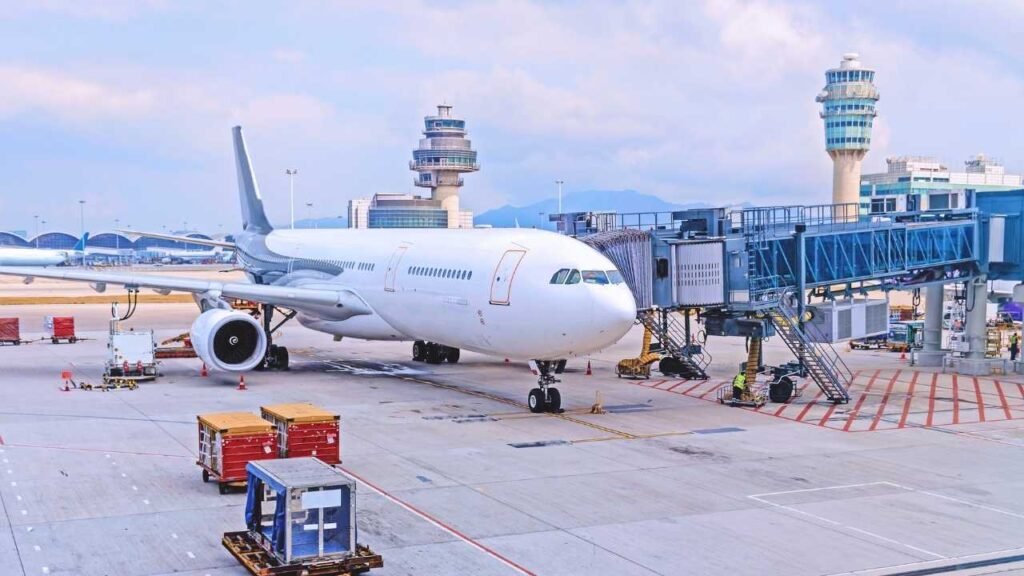
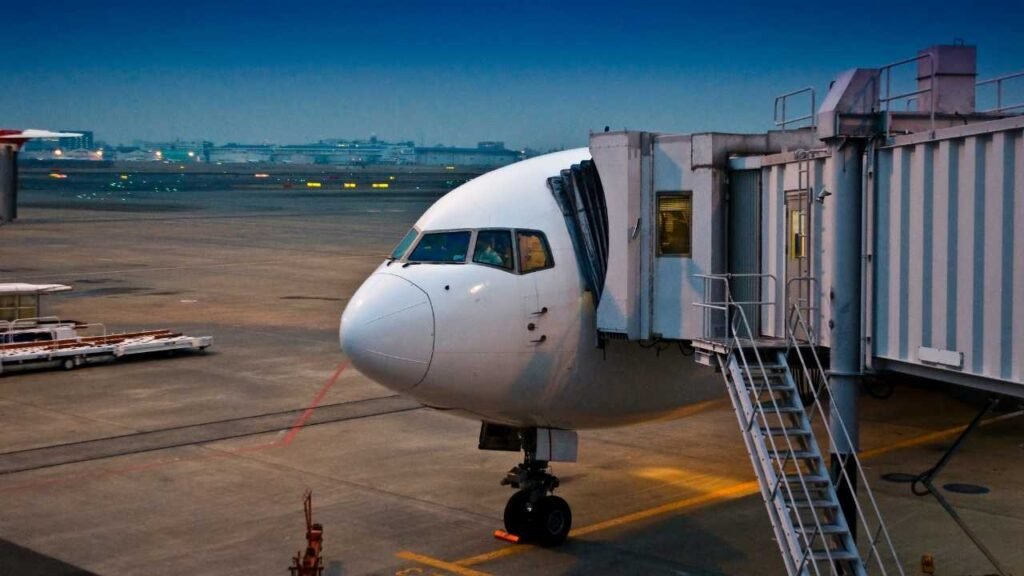
Boarding areas and jet bridges at Allentown Lehigh Valley International in Allentown, California can malfunction, causing boarding accidents.
Responsibility often falls on maintenance companies, especially when they neglect inspections.
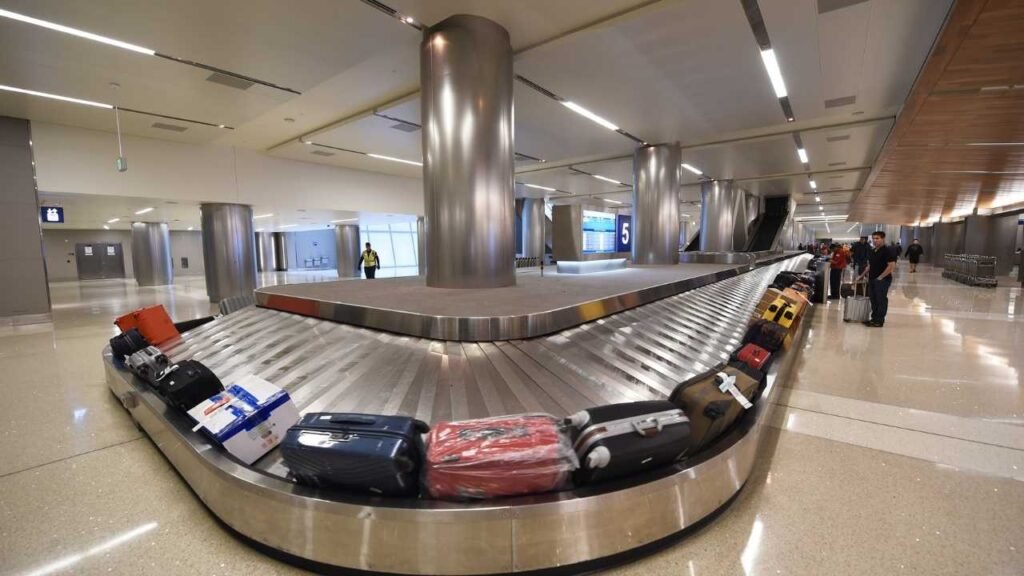
Baggage Claim Accidents at Allentown Lehigh Valley International
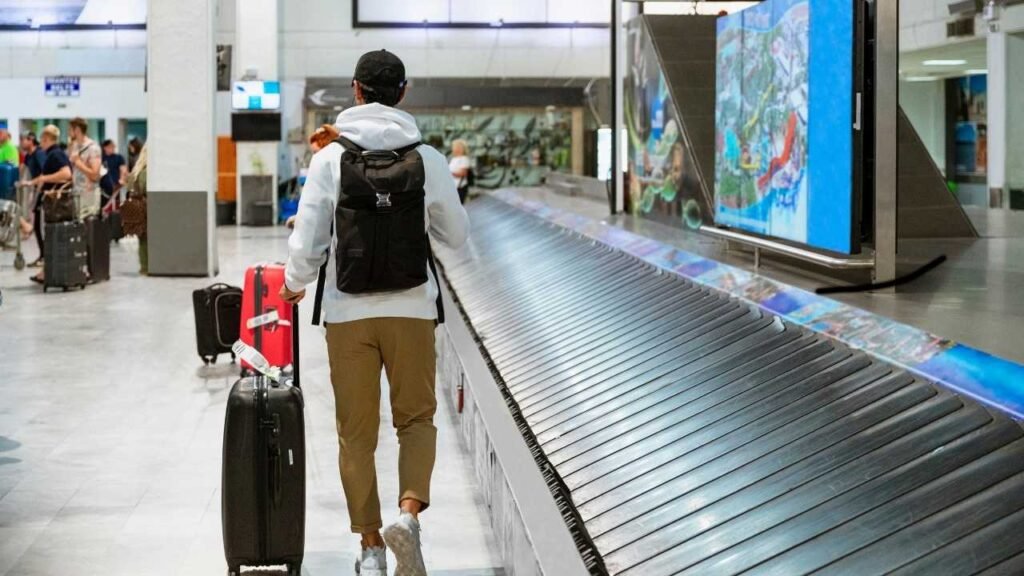
The baggage claim area of Allentown Lehigh Valley International often feels chaotic, which raises safety concerns.
slippery floors near baggage belts injure travelers while passengers wait for their bags.
Risk factors include spilled drinks and leaks near the belts.
Crowding makes hazards harder to spot, especially when oversized items roll out.
High-risk zones include areas near oversized or special-item belts.
Common injuries include head and neck injuries from falling items.
Contributing errors include defective belt sensors.
If a mishap occurs, document the time, carousel number, and flight.
Capture evidence like the bag that fell and its tag.
Act quickly to seek medical evaluation to support future claims.
Potentially responsible parties may include an airline operating the carousel.
Liability often turns on whether staff knew or should have known of the hazard.
Comparative fault may reduce but not eliminate compensation.
Time limits to file can be shorter if a public authority is involved, so act promptly.
Recoverable damages can cover pain and suffering, and early evidence preservation strengthen the case
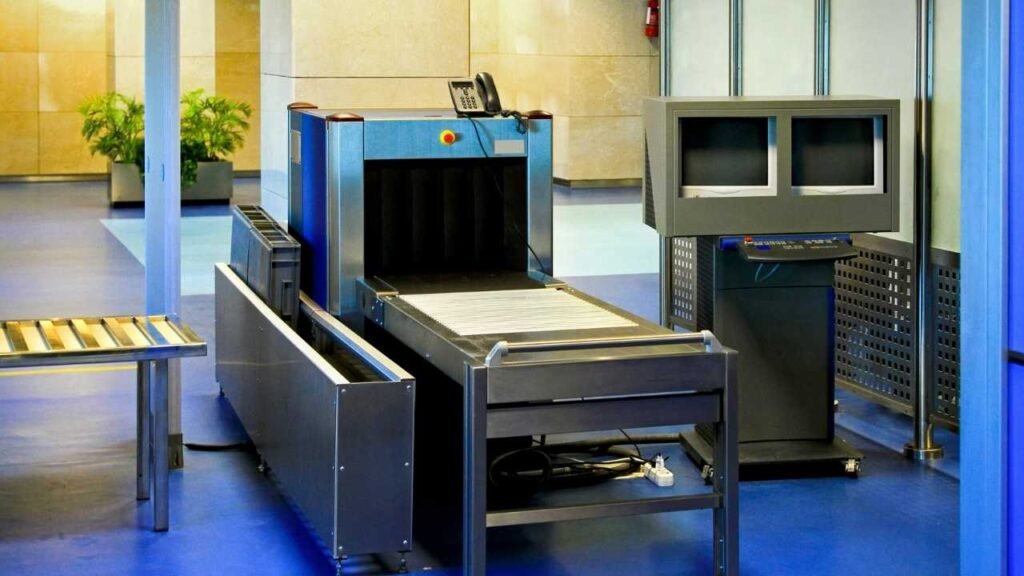
Security Checkpoint Injuries at Allentown Lehigh Valley International Airport
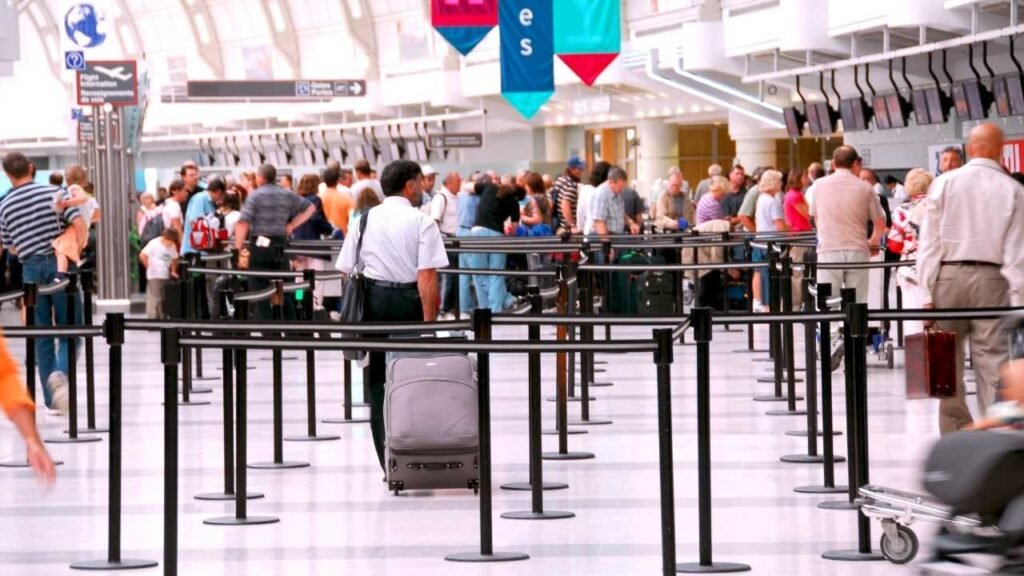
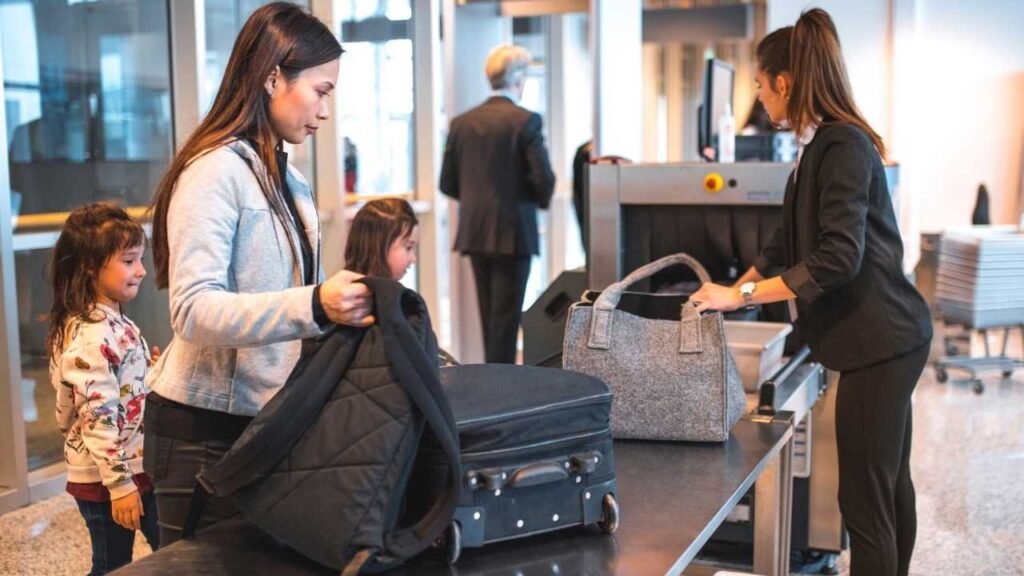
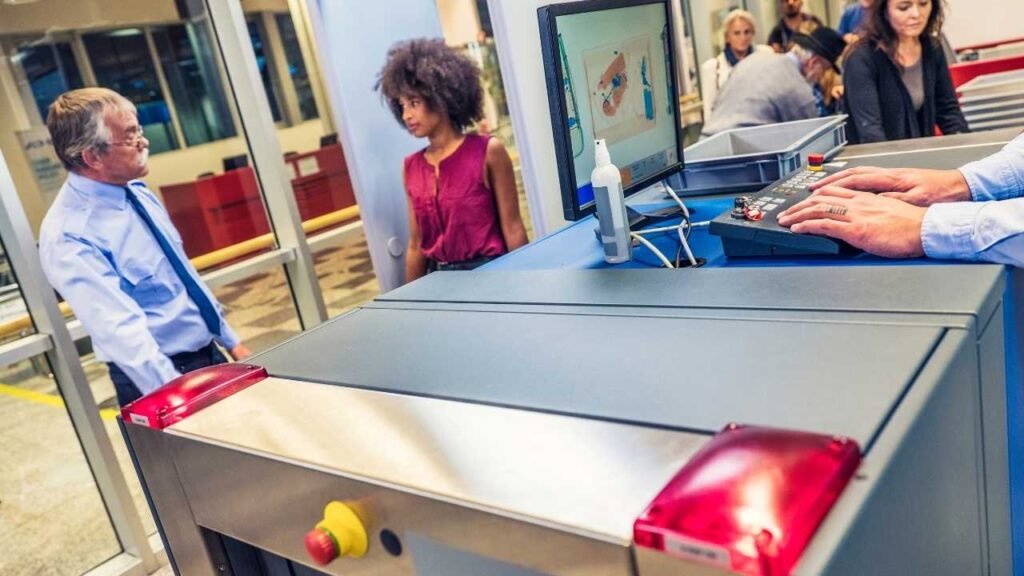
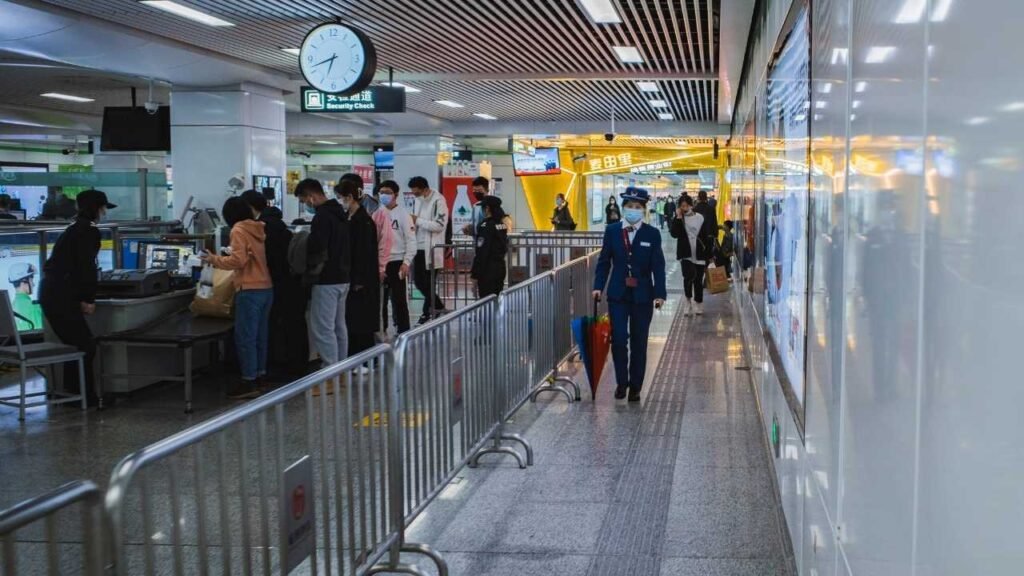
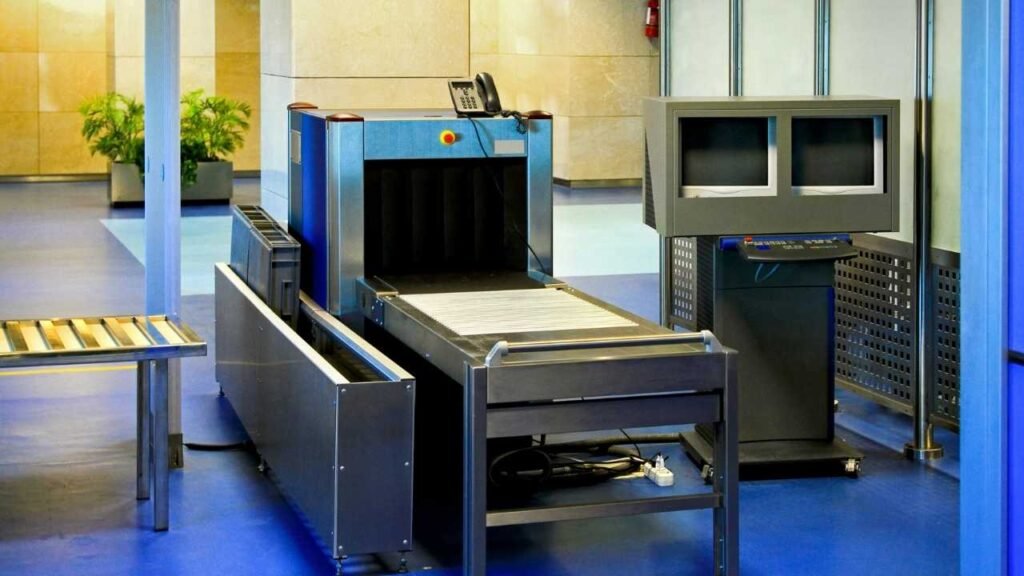
Security checkpoints at Allentown Lehigh Valley International create risks for travelers, especially when staff are rushed.
Common hazards include collisions in crowded lanes, which lead to falls.
Bottlenecks raise stress that leads to mistakes, particularly when multiple lanes close unexpectedly.
Contributing factors often include equipment left in walkways.
Injuries commonly include hip or shoulder fractures that require medical care.
After an incident, report it to the TSA or checkpoint supervisor and save boarding passes and receipts.
Useful evidence can include images of bin stacks or liquid on the floor.
Video and data sources may include checkpoint CCTV, so send a prompt preservation request.
Responsibility may involve third-party janitorial vendors, depending on who controlled the checkpoint.
Comparative fault does not automatically bar recovery, even if you carried multiple items.
Deadlines to file vary by jurisdiction, so act promptly.
Compensation can cover pain and suffering, and clear causation documentation support negotiations.
Worker Accidents at Allentown Lehigh Valley International
Employees at Allentown Lehigh Valley International in Allentown, California face heavy lifting injuries.
Many of these incidents are avoidable if airport authorities maintained equipment correctly.
International Airport Accidents Linked to Allentown Lehigh Valley International Airport
International travelers injured at Allentown Lehigh Valley International in Allentown, California may deal with overseas insurance systems.
Because Allentown Lehigh Valley International connects Allentown to foreign destinations, liability often becomes hard to resolve across jurisdictions.
Escalator & Elevator Accidents at Allentown Lehigh Valley International
Escalators and elevators inside Allentown Lehigh Valley International in Allentown, California may fail due to poor upkeep, causing serious passenger injuries.
Responsibility may lie with airport operators when safety checks are skipped.
Shuttle Bus & Ground Transportation Accidents at Allentown Lehigh Valley International Airport
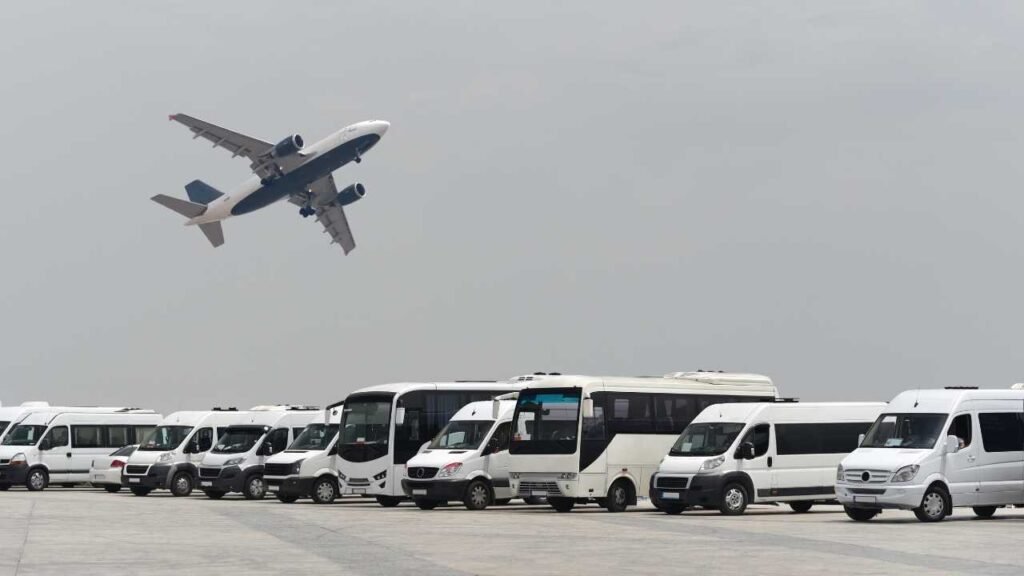
Shuttle buses, trams, and ground transportation vehicles at Allentown Lehigh Valley International in Allentown, California may crash, injuring airport visitors.
These accidents often occur on narrow service roads, creating severe injury risks for residents of California.
Parking Lot & Curbside Accidents at Allentown Lehigh Valley International Airport
Parking lots and curbside zones at Allentown Lehigh Valley International in Allentown, California are common accident zones.
Hazards include poor lighting, leading to pedestrian injuries.
Luggage Cart & Conveyor Belt Accidents at Allentown Lehigh Valley International Airport
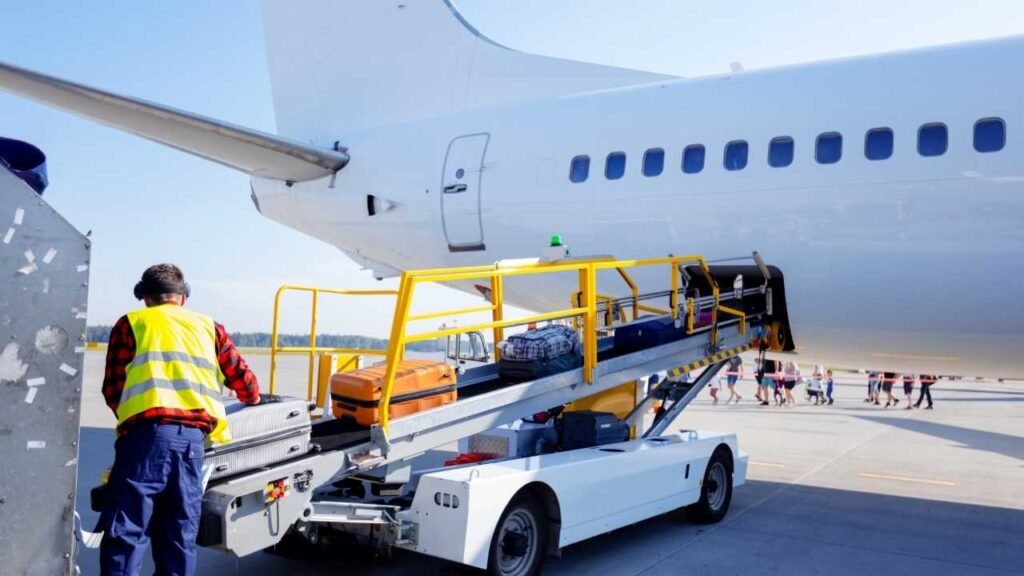
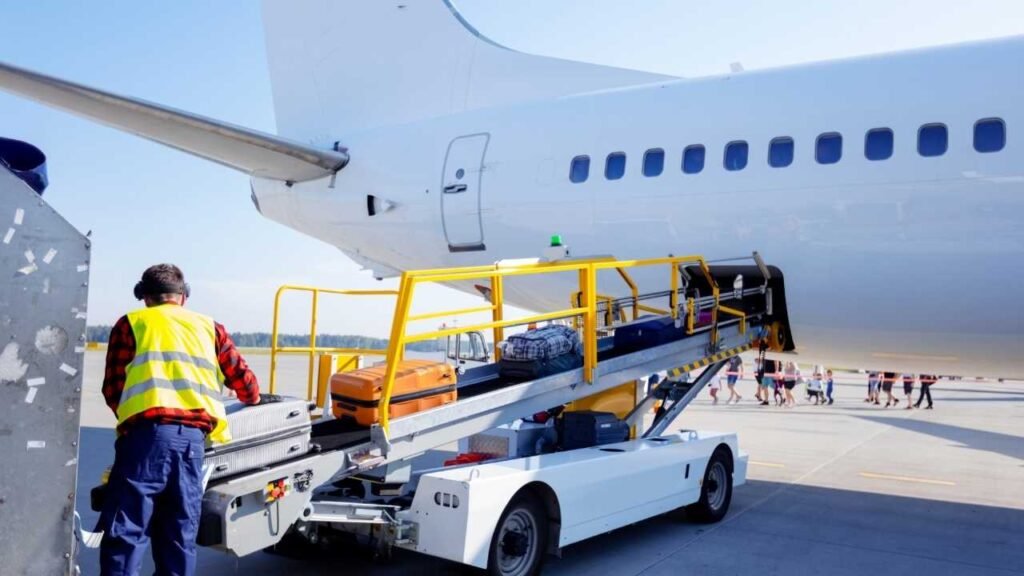
At Allentown Lehigh Valley International in Allentown, California, runaway luggage carts or broken conveyor belts can cause crush injuries.
These incidents may result from careless baggage staff.
Food Court & Restaurant Accidents at Allentown Lehigh Valley International Airport
Restaurants and food vendors inside Allentown Lehigh Valley International in Allentown, California can cause slip hazards.
Liability often rests with independent food vendors when they ignore safety regulations.
Airport Construction Zone Accidents at Allentown Lehigh Valley International
Renovation or construction areas inside Allentown Lehigh Valley International in Allentown, California expose travelers to wiring.
Injuries here may involve contractor negligence.
Disabled Passenger Assistance Accidents at Allentown Lehigh Valley International
Disabled passengers at Allentown Lehigh Valley International in Allentown, California can be harmed during wheelchair or electric cart assistance.
Failures to provide safe equipment often lead to avoidable harm.
Boarding Stair & Ramp Accidents at Allentown Lehigh Valley International
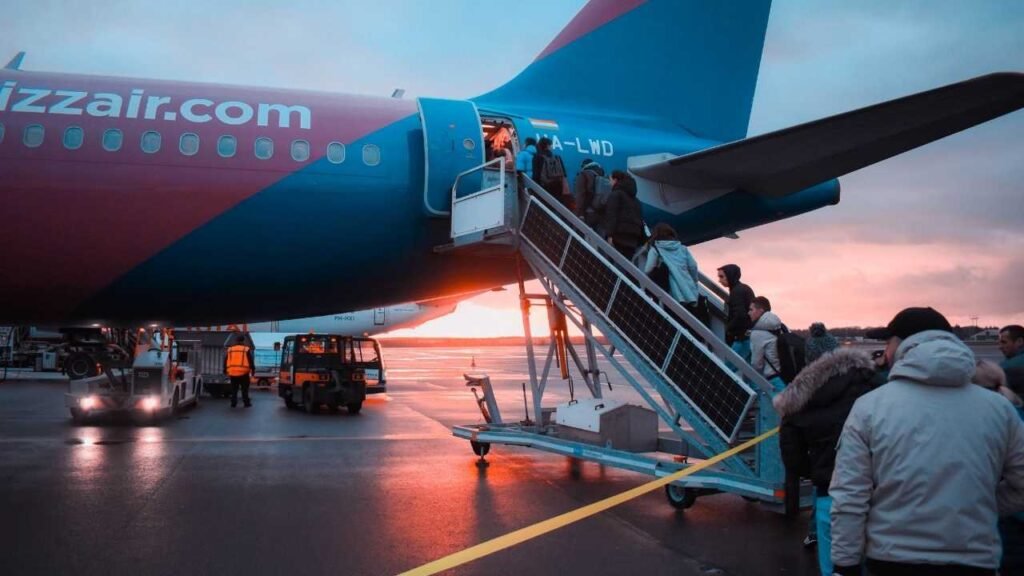
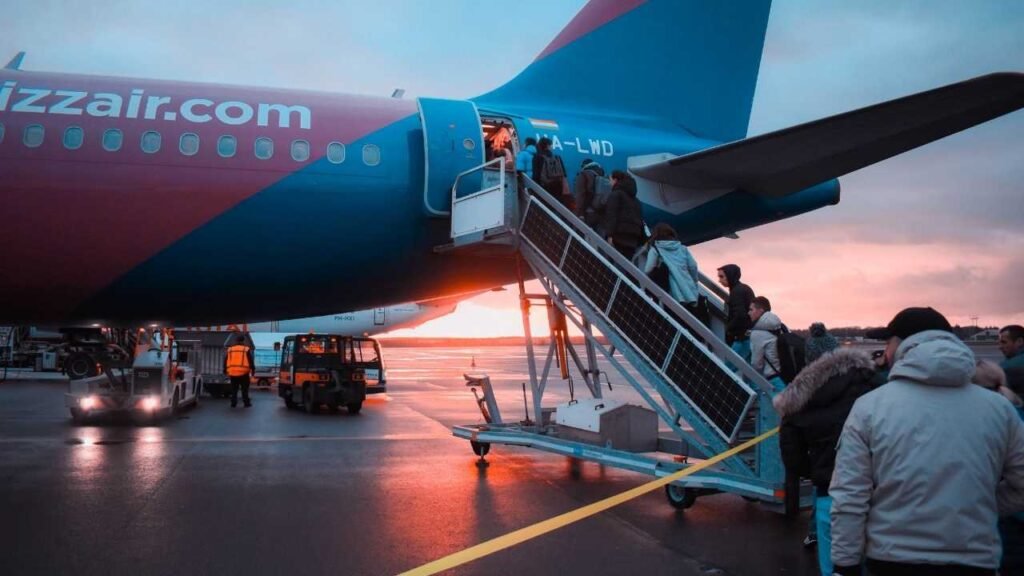
Portable boarding stairs and ramps at Allentown Lehigh Valley International in Allentown, California may create slipping risks, causing sprains.
These accidents are especially common at regional airports.
Lost Luggage & Property-Related Injuries at Allentown Lehigh Valley International
Lost luggage at Allentown Lehigh Valley International in Allentown, California is not just inconvenient — it can create health risks, such as when essential medication is missing.
Travelers may seek compensation for damages linked to lost or delayed luggage.
Airside & Tarmac Accidents at Allentown Lehigh Valley International
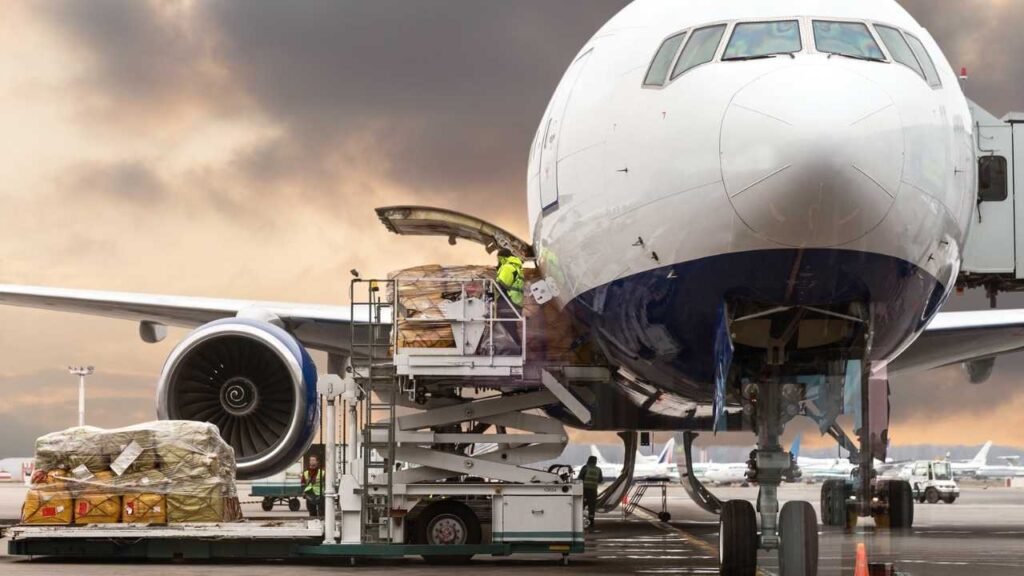
Restricted airside areas at Allentown Lehigh Valley International in Allentown, California expose workers and sometimes passengers to aircraft support equipment.
These incidents are high-risk and often fall under negligence claims against contractors or airlines.